
By Nikhil Sadavarte
I fell to the pillow. I was exhausted. It had been a long day and a long shift at work. My eyes had already begun to drift closed, and my mind had pushed my checklist of remaining tasks off to the next morning. I tucked myself into bed and looked at my alarm clock.
8:42 pm.
I had over 10 hours before I had to wake up. For once, when I closed my eyes, I felt nothing across my lower back or leg. No dull ache, no irritating numbness, no flashing pains. I let out a grateful sigh. Maybe tonight was the night I would finally get some rest.
I drifted off within seconds.
10:02 pm.
I felt the familiar droop below my eyelids and knew that I had woken up too soon. Why had I gotten my hopes up? Frustrated, I pushed my face into the pillow, as if the action could force my mind back into a slumber. It had been years since I got a good night’s sleep. What was truly the chance of tonight being any different?
I lay still, waiting for the all-too-familiar pain to start. Just like it did each night, it started with a dull ache in my lower back. I pushed a pillow under my back—most likely a futile effort, but I had hoped to trick my mind into thinking it was as effective as a magic medicine.
I was exhausted. My eyes operated without my conscious input, sometimes remaining wide open during bouts of pain, then turning back into drooping jelly just a few moments later. I fell back asleep, only to immediately wake up again. I tossed and turned, trying the many positions my physical therapist had taught me. I knew none of them would work, but I tried anyway.
The pain hadn’t left yet. I could still feel it in my lower back. I closed my eyes. How long had it been since I woke up?
I looked at the clock.
10:14 pm
I sighed. I shouldn’t have looked. I wanted the night to be over. I wanted to get out of bed and face whatever the day brought. But I also wanted to sleep for just a few hours.
I began to bargain with my body, knowing well that it had no intention of listening to me. My body was the one producing the pain. Could it not turn it off for just a few hours? I had two projects to do, and my Neurology quiz the next day. I hadn’t slept well the night before. Or the night before that. I needed some rest.
10:16 pm.
The ache began to spread. Frustrated, I threw my pillow at the bedside clock. I lay flat on my back, hoping that if I didn’t move, the pain would retreat back to the small area where it had started. After a few minutes of prayers I didn’t really expect to help, I decided to let the pain run its course. I loosened my body and welcomed it. Maybe if I just gave in to it, then I could get just a few minutes of sleep.
I wasn’t surprised when it didn’t work. Another night wasted.
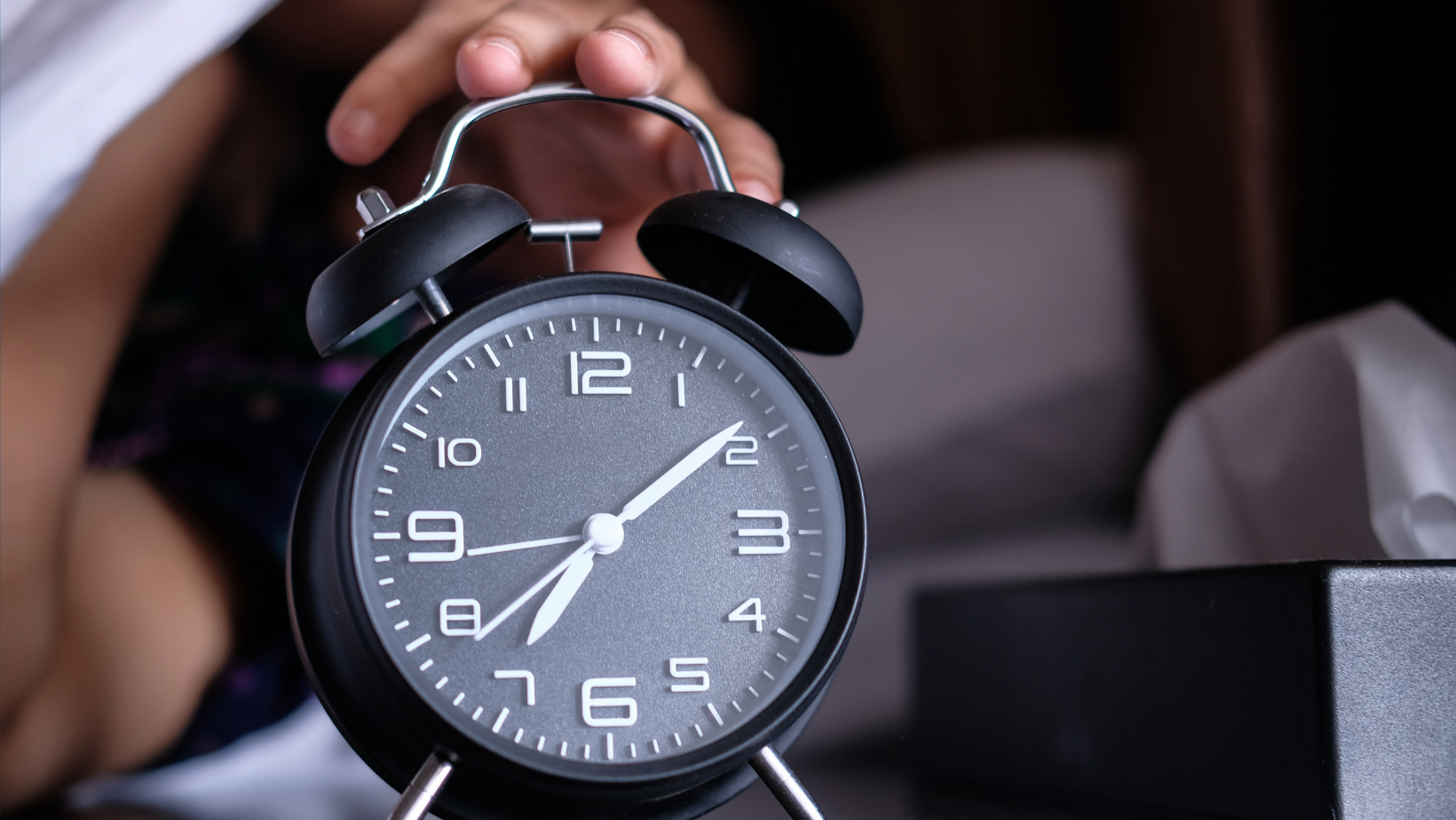
6:59 a.m.
I silenced my alarm. I didn’t need the beeping sounds; I was already awake. Like most mornings, I watched as sunlight flooded the room. The warm touch of the sun was the sign that I had lost yet another battle against my body.
I had slept four hours in total, if that, and had woken up more times than I could count. I took solace in the fact that I was too tired to remember most of the night.
I got up and began my day. I stumbled through my morning routine, grabbing whatever snack required the least energy to make and heading out the door.
My day went as it usually did: Carefully planned. The closest parking spot. The shortest path between buildings. A place to sit and rest between classes. None of these decisions seemed particularly important on their own. But together, they had become the architecture of my life.
I had learned to think of my energy as something finite. Every extra flight of stairs, every unnecessary walk across campus, every few minutes spent standing when I could have been sitting—they all pulled from a reserve that was already drained. That day, there were two projects and a quiz. The next day, as I worked to complete my biology degree, it would be something else.
The strange part was how normal it all began to feel. I still went to class. I still managed to study for exams. If someone asked how I felt, they received the same automatic answer I had given countless times before: “Good.”
Saying that was easier than describing the exhaustion I felt. It wasn’t just the physical exhaustion, but the exhaustion from plotting each step I took. It was exhaustion from saying no to late-night outings with friends, knowing well that my body wouldn’t last the few hours I wanted it to.
I was exhausted from memorizing how many flights of stairs there were in the Physics building. I was exhausted from debating the likelihood that my legs would make it to class in time for the next quiz. I was exhausted from making decisions that in the past, I’d never once had to consider.
Tired had once meant something different to me. It meant staying up too late studying for an exam or waking up early for a hike. It was a long day that ended with the promise of crawling underneath the covers and finally getting some rest.
I wanted to be that kind of tired. I wanted that promise of rest.
Instead, I would eventually finish my projects, take my quiz, make the familiar walk home, and prepare myself for bed. I would be exhausted. I would want nothing more than to sleep. I would have allowed plenty of time to sleep. Yet, as I lowered myself onto the mattress, I would know that being tired would not guarantee my rest.
Most nights looked the same. Yet, I started to notice something in the mornings—a strange kind of stubbornness in me that urges me to get up, plan the daily route, and walk into the quiz anyway.
I used to think that meant I was losing. Lately, I think it might mean the opposite. Not that I’m beating the pain, or even surviving it gracefully. Just that I’m still here, still building my life, one day at a time.
The exhaustion has never left me. But it has never been all of me, either.
Subscribe to our newsletter

U.S. Pain Foundation is a 501 (c)(3) nonprofit organization dedicated to serving those who live with conditions that cause chronic pain, as well as their caregivers and care providers. Learn more.
Our Sponsors
U.S. Pain Foundation relies on the generosity of donations and grants. We are especially thankful to our Corporate Council for sustaining our programs and services year-round. Learn more.
Contact Us
U.S. Pain Foundation, Inc.
15 North Main Street, Unit 100
West Hartford, CT 06107
Telephone: 800.910.2462
Email:
contact@uspainfoundation.org
Tax ID number: 26-2703521
All Content Copyright 2021 | All rights reserved. U.S. Pain Foundation is a qualified 501(c)(3) tax-exempt organization. Disclaimer